
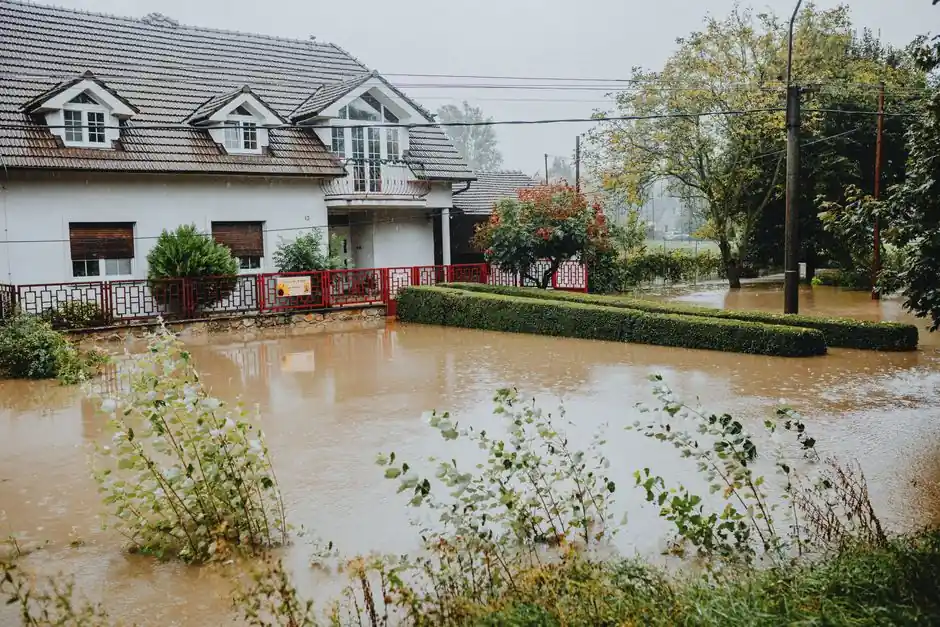
Getting water out of a flooded basement fast means stopping the source, killing the power, and pumping the standing water out in stages before it wicks into drywall and framing. In Port Charlotte, most basement and lower-level floods come from storm surge, heavy summer rain, or a failed sump pump, and the first 24 to 48 hours decide whether you are drying carpet or replacing it. This guide walks you through the exact steps we use on emergency calls, what to avoid, and when it is time to bring in a crew.
How to Get Water Out of a Flooded Basement Fast in Port Charlotte FL
How to get water out of a flooded basement fast in Port Charlotte FL is a sequence, not a single action: shut off the source, cut the power, remove standing water with a pump or wet vac, then dry the structure before mold sets in. Skipping the drying step is the most common reason a "fixed" basement smells musty three weeks later.
Here is the order that works:
- Stop the water source (main shutoff, sump breaker, or wait out the storm).
- Kill power to the flooded area at the breaker panel.
- Document everything with photos for your insurance claim.
- Pump or vacuum out standing water in stages.
- Pull wet carpet, padding, and any soaked cardboard or fabric.
- Run dehumidifiers and air movers until a moisture meter reads dry.
If you would rather have this handled end to end, our Emergency Water Extraction Port Charlotte FL team runs this exact checklist on every call, usually arriving with truck-mounted extraction and drying equipment in the same trip.
Why Did My Basement Flood in Port Charlotte?
Port Charlotte basements flood for four reasons: storm-driven rain overwhelming drainage, a failed or undersized sump pump, a cracked or backed-up foundation drain, and plumbing failures like a burst supply line. Charlotte County sits on flat, sandy soil with a high water table, so water that cannot drain away has nowhere to go but down into your lowest level.
Between June and November, afternoon thunderstorms can drop two to four inches in under an hour. That volume hits a yard that is already saturated from the previous week and pushes against the foundation. If your sump pump is more than eight years old, or if it runs on a standard 1/3 HP motor, it may not keep up.
We also see a lot of flooding after named storms and tropical systems, when the ground is full before the heaviest rain even arrives. Homeowners in low-lying pockets near the Myakka and Peace River watersheds deal with this more than most, which is why we run Emergency Water Extraction in Punta Gorda and the surrounding river communities on the same dispatch schedule.
The First Hour: What to Do Before You Pump Anything
The first hour after you find water is about safety and stopping the source, not speed of pumping. Water and electricity are the two things you never want to introduce to each other, and a basement flood puts them in the same room.
Step 1: Get everyone out and cut the power
If the water is above the outlets or touching any appliance, do not step in. Call an electrician or your utility to cut power at the meter. If the water is shallow and clearly below the outlets, kill the basement circuit at the breaker panel before you enter.
Step 2: Stop the source if you can
For a burst pipe, shut the main water valve. For a sump failure during a storm, there is nothing to shut off, so you wait for the rain to ease and start pumping. For a sewer backup, stop using water in the house immediately.
Step 3: Photograph everything
Take wide shots of the room, close-ups of the water line on the walls, and photos of any damaged belongings. Most Florida homeowner policies require you to document the loss before you start cleanup, and adjusters work faster with clear photos.
How to Drain a Flooded Basement Safely
Draining a flooded basement safely means removing water in stages so the walls do not crack from sudden pressure changes, and so you do not burn out a small pump on a big job. A basement holding two feet of water is roughly 1,250 gallons per 100 square feet, and that weight is pressing on your foundation the whole time.
Use the right pump for the depth
- Under 2 inches: a wet/dry shop vac with a 10 to 16 gallon tank handles this in a few passes.
- 2 inches to 2 feet: a submersible utility pump rated at 1/3 to 1/2 HP moves 30 to 50 gallons per minute.
- Over 2 feet: call for truck-mounted extraction. A portable pump will take all day and may not keep up with an active leak.
Discharge the water to a spot at least 10 feet from the foundation, and never into a sewer cleanout unless your municipality allows it. In Port Charlotte, most neighborhoods allow discharge to the yard or storm drain, but check before you run a hose down the street.
Once the standing water is gone, the job shifts to the structure. Carpet and pad hold roughly a gallon of water per square yard, and they will not dry on their own. Our carpet water extraction Port Charlotte FL service pulls that water out with weighted extraction heads, then we set air movers under the carpet to dry the backing.
What to Watch Out For
The mistakes that turn a two-day dry-out into a two-week rebuild are predictable, and most of them happen in the first 24 hours. Here are the ones we see most often on calls around Port Charlotte.
- Pumping too fast. Dropping a 2-foot water level to zero in an hour can crack a block foundation wall. Pull it down in 12-inch stages.
- Leaving wet drywall. Drywall wicks water up 12 to 18 inches above the visible water line. If it is wet, it comes out.
- Running a household fan. A box fan moves air but does not remove moisture. You need a refrigerant or desiccant dehumidifier to pull humidity below 50%.
- Skipping the crawl space. Water under the house keeps the whole floor system damp. That is a separate job, and we handle it with crawl space water removal Port Charlotte FL.
- Waiting on the insurance call. Most policies cover sudden water damage but not mold that develops from delay. Start drying now, document as you go.
How Long Does It Take to Dry a Flooded Basement in Port Charlotte FL?
A flooded basement in Port Charlotte FL takes three to five days to dry under normal conditions, and up to seven days if the walls are block, the humidity is high, or the water sat for more than 48 hours before extraction. The variable is not the pump, it is the drying equipment and how fast it got there.
Here is what a typical timeline looks like:
- Day 1: Extract standing water, remove wet carpet and pad, set air movers and dehumidifiers.
- Day 2-3: Daily moisture readings. Walls and framing drop toward 15% moisture content.
- Day 4-5: Final dry-down. Equipment comes out once readings match a dry standard in an unaffected room.
Our structural drying services Port Charlotte FL use calibrated moisture meters and thermal imaging so we know when the structure is actually dry, not just dry to the touch. That is the difference between a basement that stays dry and one that grows mold behind the baseboard.
When to Call a Professional
Call a professional when the water is deeper than a shop vac can handle, when it came from a sewer or storm surge, or when the flood touched drywall, insulation, or a finished floor. Those three conditions put the job past what a homeowner can dry out with fans and a dehumidifier.
We are Port Charlotte Water Removal, and we handle emergency basement flooding across Charlotte County. Our crews extract standing water, remove contaminated materials, dry the structure, and document the loss for your insurance claim. We quote the job upfront so you know the number before we start, and we work directly with most major carriers.
If you are in a neighboring community, we run the same service out of Emergency Water Extraction in North Port and respond to calls across the region.
Frequently Asked Questions
How do I get water out of my basement fast in Port Charlotte FL?
Cut the power, stop the source, then pump or vacuum the water out in 12-inch stages. A submersible pump moves 30 to 50 gallons per minute; a shop vac handles under 2 inches. Start drying within 24 hours to prevent mold.
Why did my basement flood in Port Charlotte?
Most Port Charlotte basement floods come from storm rain overwhelming drainage, a failed sump pump, or a backed-up foundation drain. The flat, sandy soil and high water table mean water has nowhere to go but down into your lowest level.
Should I call a professional for basement flooding in Port Charlotte?
Yes, if the water is deeper than a few inches, came from a sewer or storm surge, or touched drywall or finished flooring. Those jobs need commercial extraction and drying equipment to prevent mold and structural damage.
How long does it take to dry a flooded basement in Port Charlotte FL?
Three to five days with proper air movers and dehumidifiers. Add two days if the walls are block, the humidity is high, or the water sat for more than 48 hours before extraction began.
Does homeowners insurance cover basement flooding in Florida?
Sudden water damage from a burst pipe or appliance failure is usually covered. Flood from rising water or storm surge typically requires a separate flood policy through the NFIP or a private carrier. Document everything before you start cleanup.
Get Help with Emergency Water Extraction in Port Charlotte
Standing water does not wait, and neither should you. Our team is on call for basement flooding, burst pipes, and storm water across Port Charlotte and Charlotte County.
Call 1111-0987-599 and we will dispatch a crew with extraction and drying equipment to get your basement dry and documented for insurance.